Mastering Breath Control for Powerful Singing and Acting
Updated: Mar 22
Breath control is the foundation of powerful singing and compelling acting. Without proper breath management, even the most talented performers struggle to deliver clear, strong, and expressive voices. Singers, actors, RJs, podcasters, dubbing artists, and storytellers all rely on specific breathing techniques to maintain tone quality, sustain phrases, and convey emotion effectively. This post explores the top three breathing techniques used worldwide by professionals to achieve the best breath work and voice craft. Alongside each technique, you will find a practical exercise to help you develop and master your breath control.
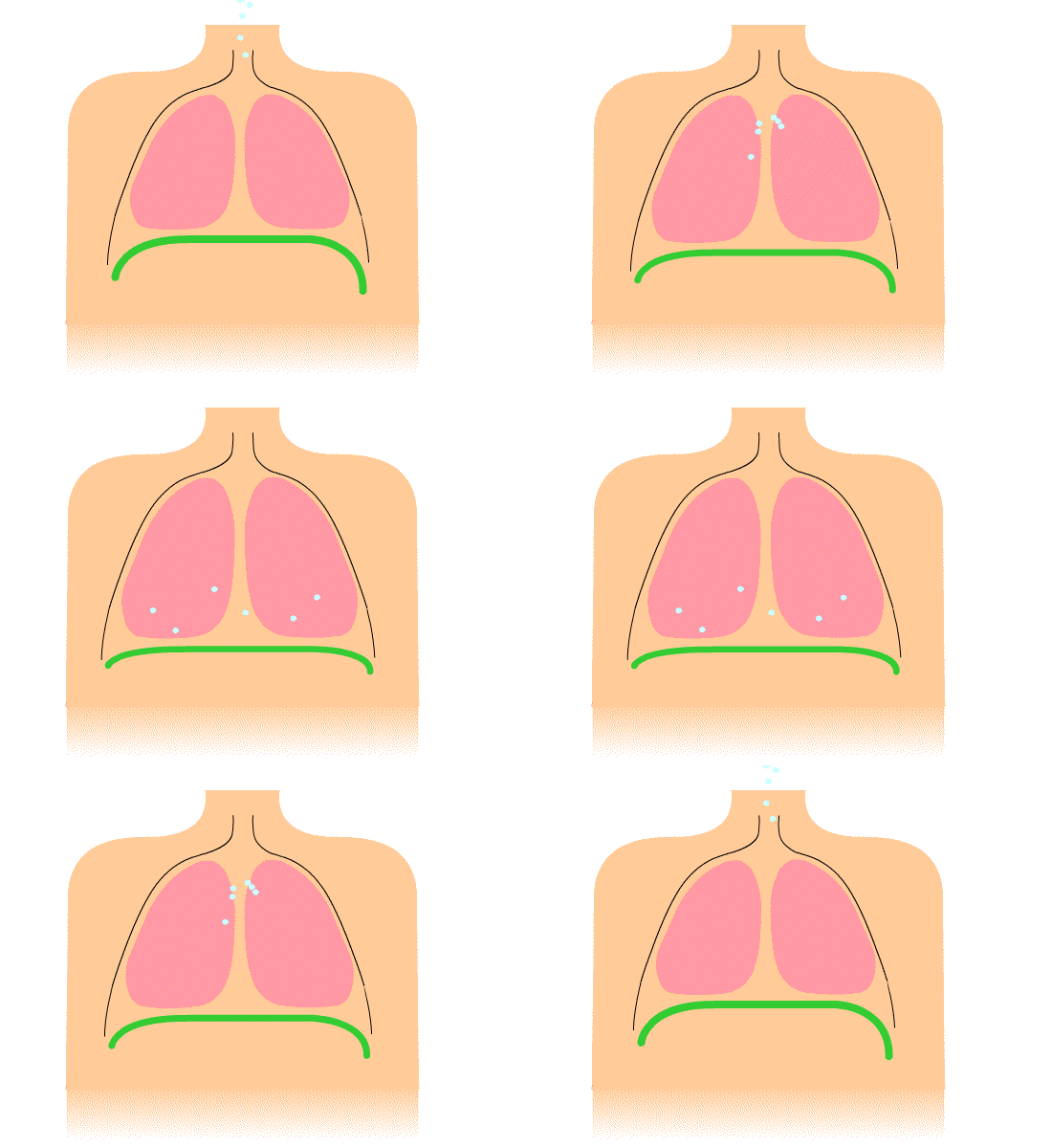
Diaphragmatic Breathing: The Foundation of Vocal Power
Diaphragmatic breathing, sometimes called belly breathing or singing from the naabhi, is the best breathing technique for singers and actors to maximize lung capacity and control airflow. Instead of shallow chest breathing, this method engages the diaphragm muscle, allowing deeper and more efficient breaths. This technique supports sustained notes and dynamic vocal expression without strain.
How It Works
When you breathe diaphragmatically, your belly expands outward as you inhale, signalling the diaphragm to contract downward. This creates more space in the lungs for air. Exhaling slowly and steadily through the diaphragm helps regulate airflow, which is crucial for maintaining tone and volume.
Exercise to Practice Diaphragmatic Breathing
Lie on your back with one hand on your chest and the other on your belly.
Inhale deeply (but silently) through your nose, focusing on pushing your belly hand outward while keeping your chest hand still.
Exhale slowly through your mouth using the sound "sssss," feeling your belly fall inward.
Repeat this for 5 minutes daily, gradually increasing the length of your exhale.
This exercise trains your body to use the diaphragm naturally, improving breath support for singing and speaking.

Costal Breathing: Enhancing Control and Tone Quality
Costal breathing focuses on expanding the rib cage sideways and upwards, increasing lung volume without excessive belly movement. This technique is popular among actors and singers who need precise control over breath pressure and tone quality.
How It Works
By engaging the intercostal muscles between the ribs, costal breathing allows the lungs to fill more fully. This method helps maintain an open chest posture, which supports resonance and projection. It also prevents tension in the neck and shoulders, common issues with shallow breathing.
Exercise to Practice Costal Breathing
Stand or sit upright with relaxed shoulders.
Place your hands on the sides of your rib cage.
Inhale slowly through your nose, feeling your ribs expand outward and upward.
Hold the breath for 2 seconds.
Exhale gently through pursed lips, feeling your ribs contract.
Repeat for 10 breaths, focusing on smooth, controlled movements.
This exercise enhances your ability to manage breath pressure, essential for delivering clear and consistent vocal tones.

Clavicular Breathing: Quick Recovery for High Notes
Clavicular breathing involves raising the upper chest and collarbones to draw air into the upper lungs. While not ideal as a primary technique, it is useful for quick breath recovery and supporting high, powerful notes in singing or intense speech moments, but NEVER advised!
How It Works
This technique uses the accessory muscles around the collarbone and neck to lift the upper chest. It allows a rapid intake of air when diaphragmatic or costal breathing is insufficient during demanding vocal passages.
Exercise to Practice Clavicular Breathing - To Experience What Happens
Stand with good posture, shoulders relaxed.
Take a shallow breath, focusing on lifting your collarbones and upper chest.
Hold the breath for 1 second.
Exhale slowly through your mouth.
Repeat 4-5 times, ensuring you do not tense your neck or shoulders.
In worst-case scenarios, use clavicular breathing sparingly to avoid tension, and the practice is ONLY to improve your breath work during challenging vocal moments.
Bringing It All Together for Effective Voice Craft
Mastering these three breathing techniques gives performers a versatile toolkit for breath management. Diaphragmatic breathing builds a strong foundation for sustained tone and volume. Costal breathing adds control and resonance, while clavicular breathing supports quick breath intake and high notes. Combining these methods allows singers and actors to deliver their best performances with confidence and vocal health.
The Importance of Consistent Practice
Practice the first two exercises regularly, focusing on smooth, relaxed movements and consistent breath flow. Over time, your breath work will become more natural, improving your singing and speaking abilities. Remember, breath control is not just about taking in air but managing it effectively to shape your voice and express emotion.
Connecting with Your Audience
Whether you are preparing for a demanding role, recording a voice-over, or performing live, these breathing techniques will enhance your voice craft and help you connect with your audience through powerful, controlled sound.
Start Your Journey Today
Start incorporating these exercises into your daily routine and notice the difference in your vocal strength and endurance. Breath control is a skill that grows with practice, and the best breathing technique is the one you develop through consistent, mindful work.
By embracing these techniques, you will not only improve your vocal performance but also enhance your overall voice health. Remember, every breath you take is an opportunity to express yourself fully and authentically.
-- The VoiceLab Collective

Comments